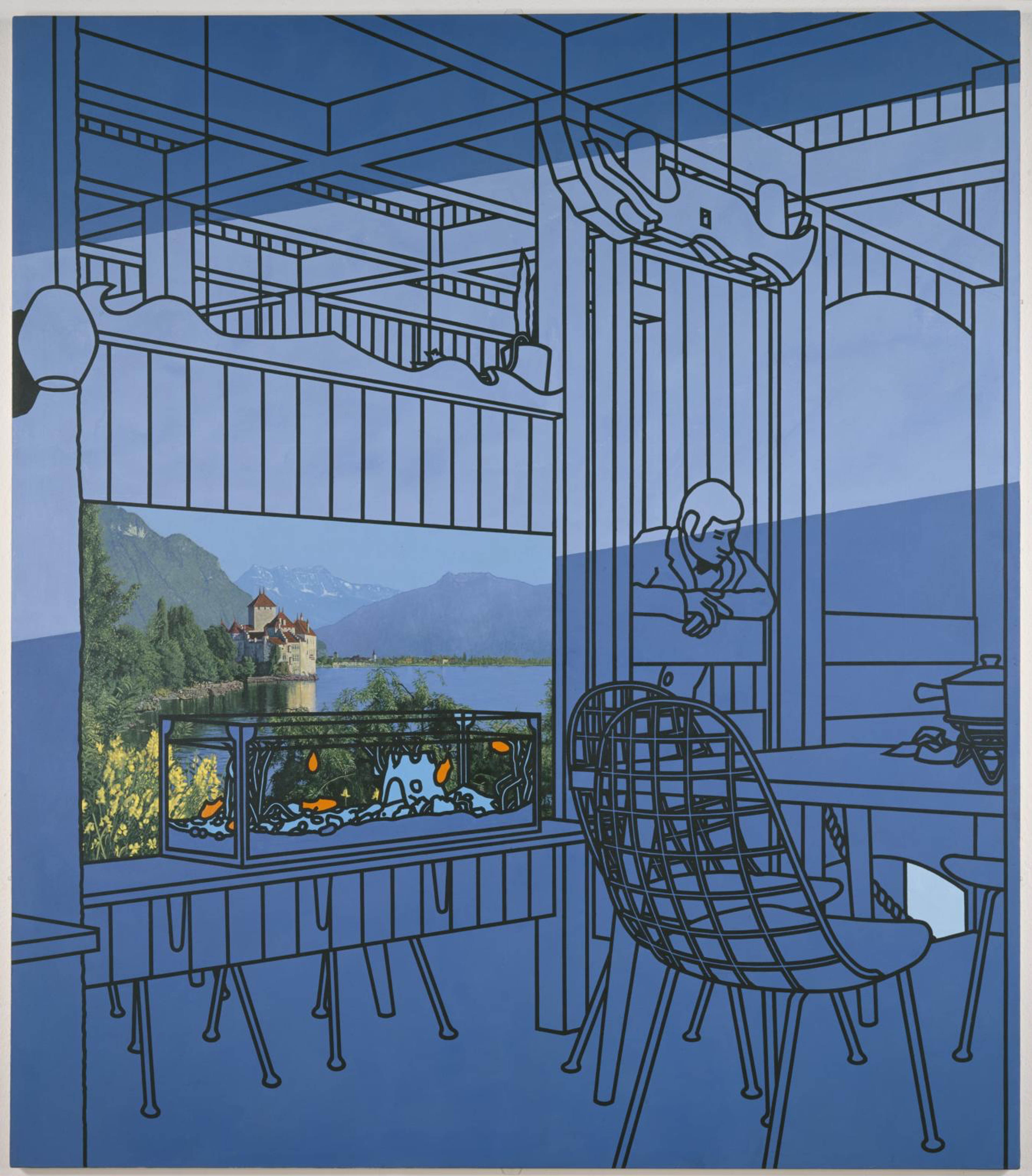


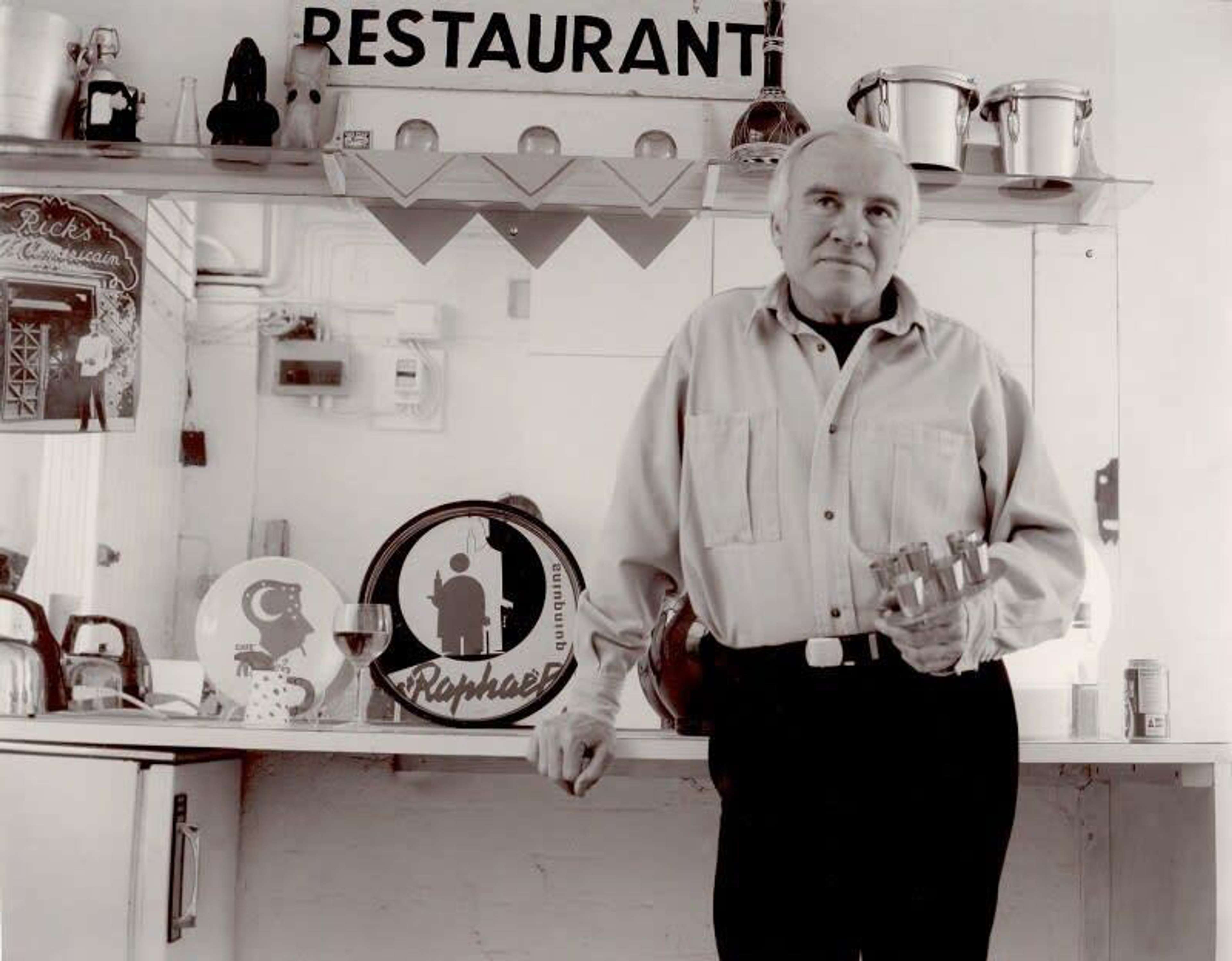
Patrick Caulfield had a significant impact on the development of 20th century art. practice
Caulfield was a British artist born in West London, 1936. He was a celebrated painter and printmaker who passed in 2005.
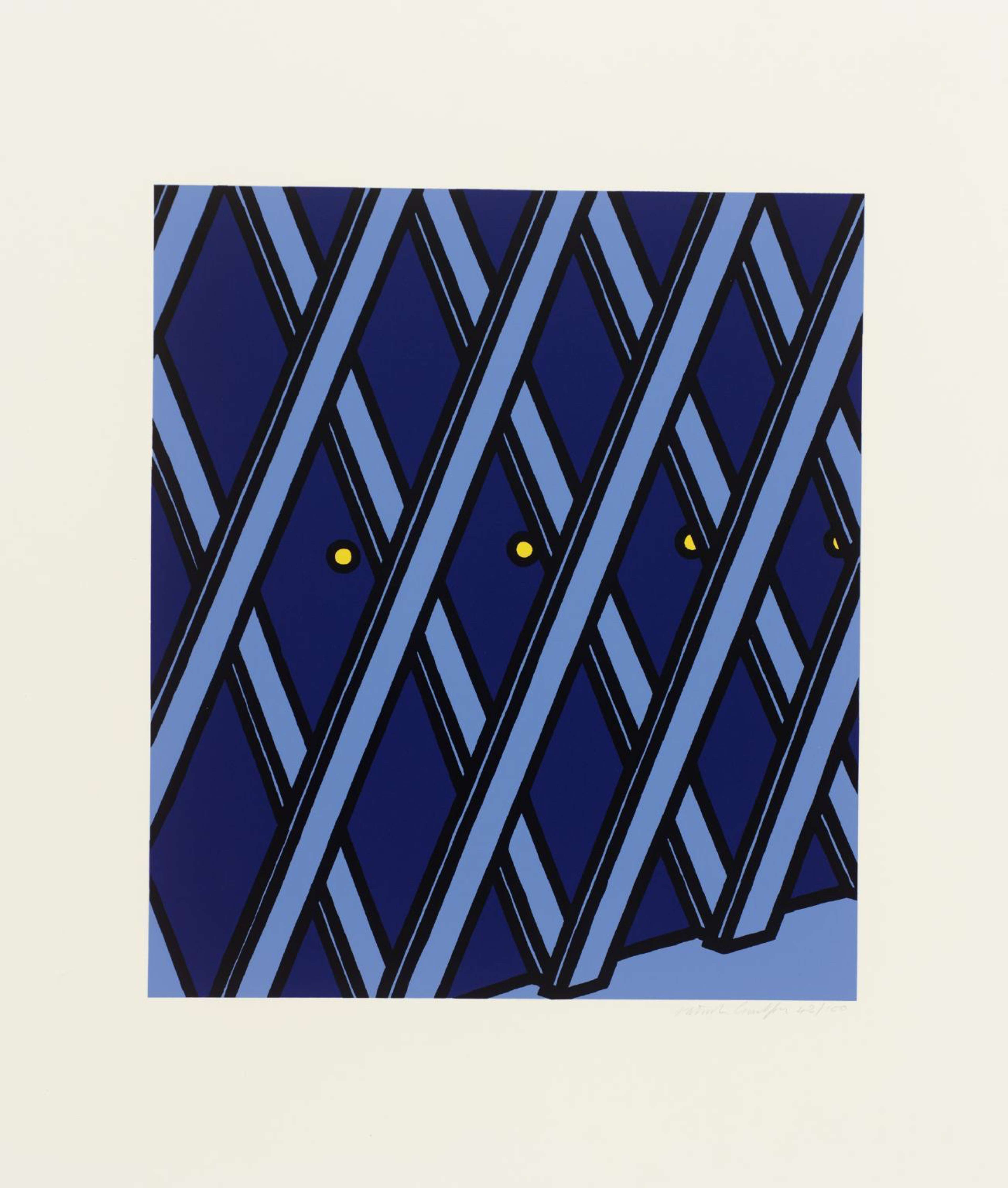
Patrick Caulfield was educated alongside other iconic British artists.
Caulfield studied at the Chelsea School of Art from 1956 to 1960 and the Royal College of Art from 1960 to 1963, where his studied alongside British Masters, David Hockney and Allen Jones.
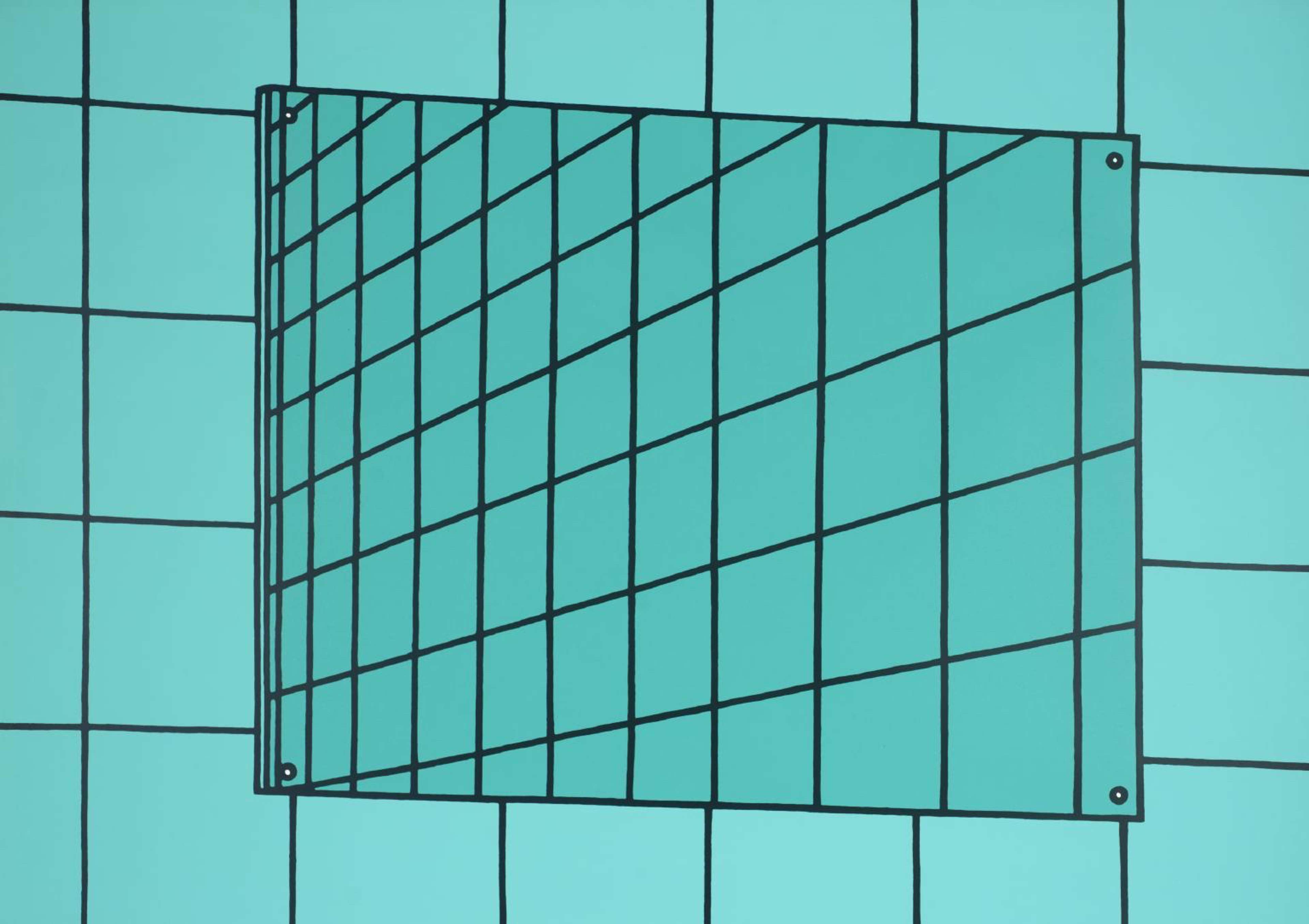
Patrick Caulfield made an early mark in the art world through his inclusion in a notable exhibition alongside influential artists such as Bridget Riley, John Hoyland, and Brett Whiteley.
From March through May 1964, Whitechapel Gallery hosted ”The New Generation’’ exhibition. The well-chosen title proved to be nothing short of auspicious, as nearly every artist showcased in the event went on to achieve international acclaim and success, including infamous OpArt Artist, Bridget Riley.
Get in touch to inquire about Bridget Riley prints.
![A printed image by the artist Patrick Caulfield, which shows a white tablecloth and table corner, on which rests a pale yellow menu, against a red background.]](https://cdn.sanity.io/images/dqllnil6/staging-sep-2026/351634abf42cbaf47ed1a48943061cfc884b5c89-1113x1536.jpg?w=3840&q=60&auto=format)
Although Patrick Caulfield was often associated with the Pop Art movement, he notably resisted being categorised under this label.
Rather than embracing the label of a Pop Artist, Patrick Caulfield identified himself as a formal artist, prioritising traditional practices and principles. While traces of pop art influences can be observed in his work, Caulfield did not completely align with the movement's emphasis on mass consumerism.
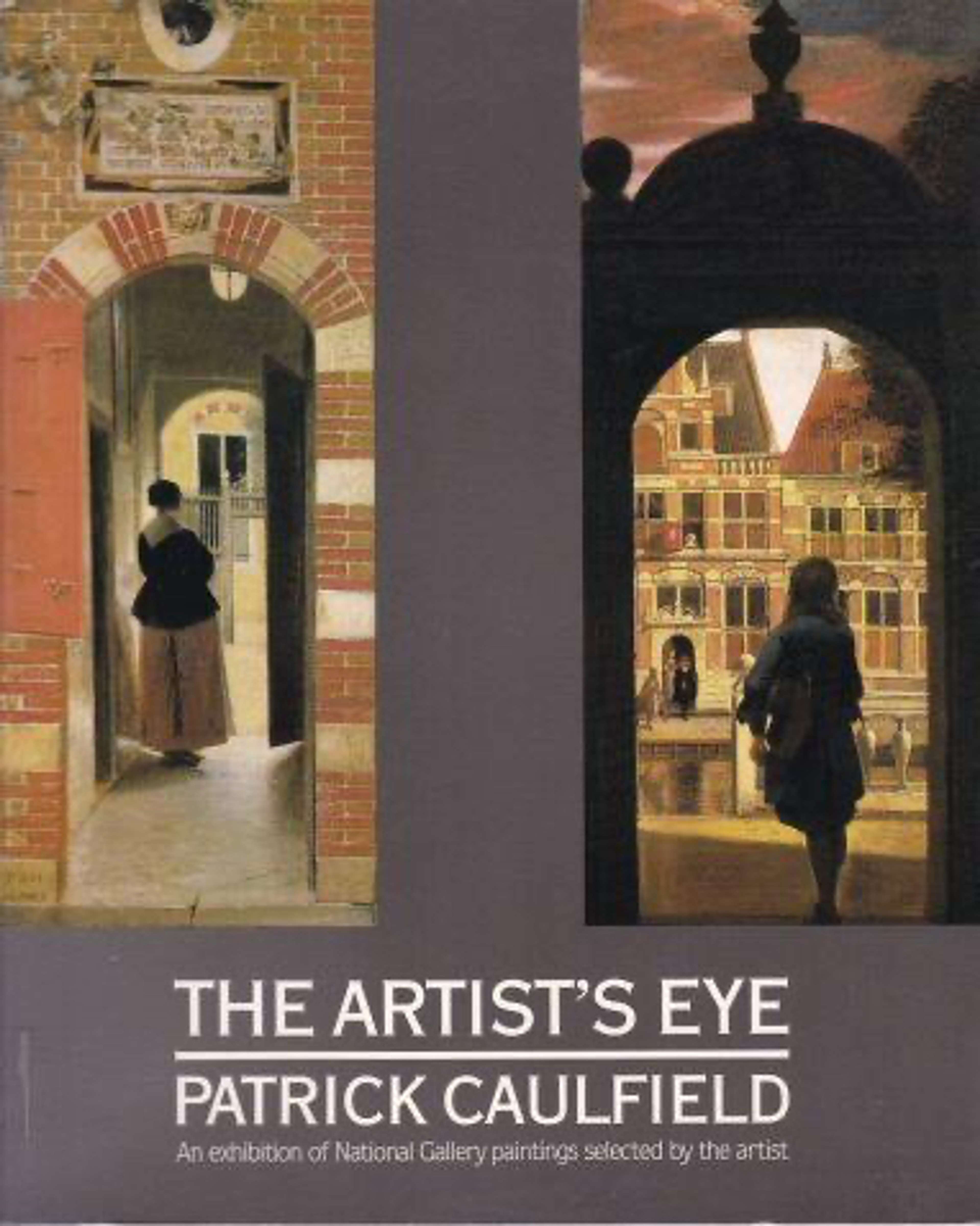
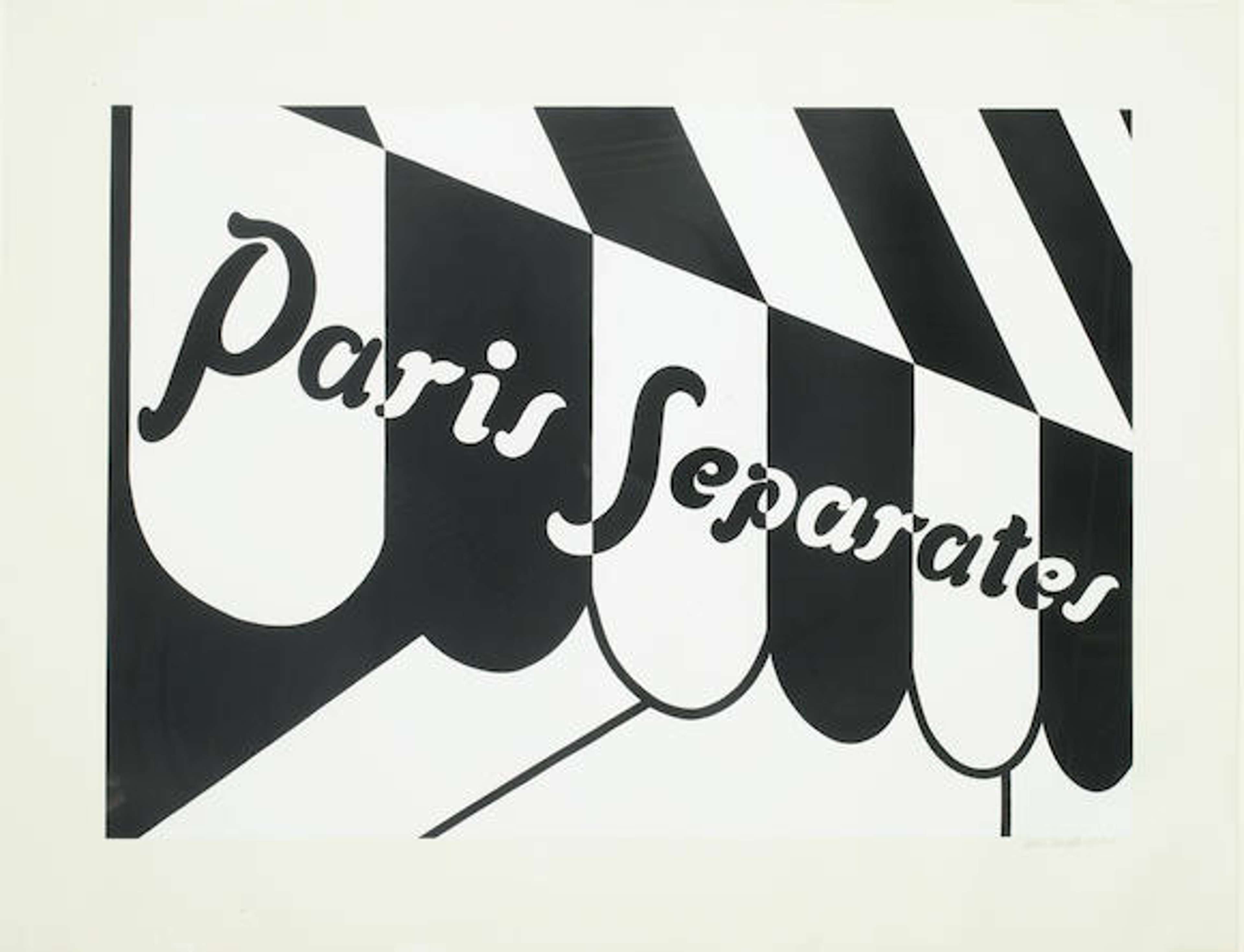
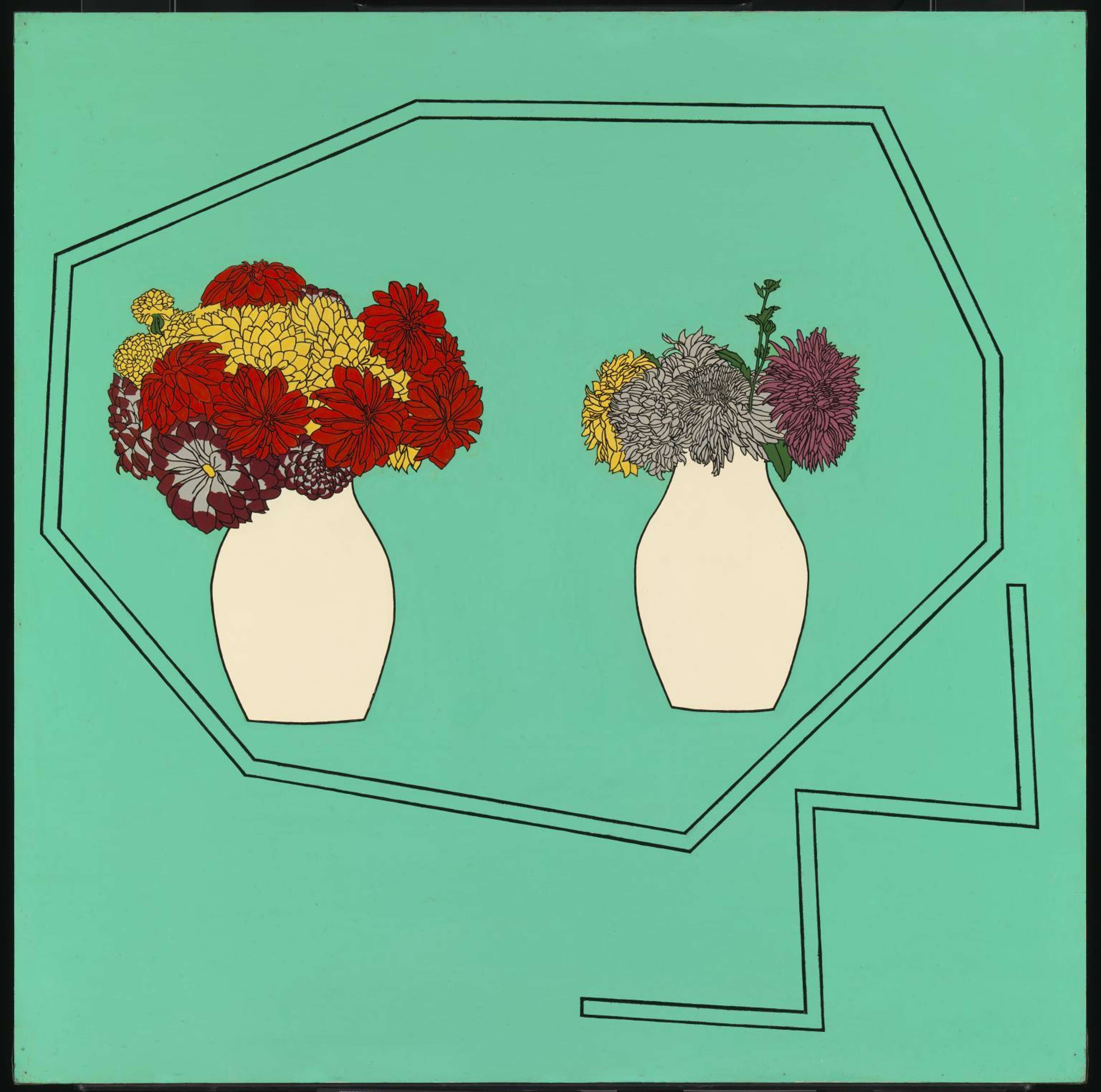
Patrick Caulfield's work is characterised by reductive compositions that embrace bold black outlines and flat colours.
Caulfield painted objects from modern domestic reality with sarcastic undertones, humour and a sense of wonder as the objects and interiors he featured isolate the object and lack human presence. His art often has a distinct sense of flatness, which further emphasises abstraction and two-dimensionality.
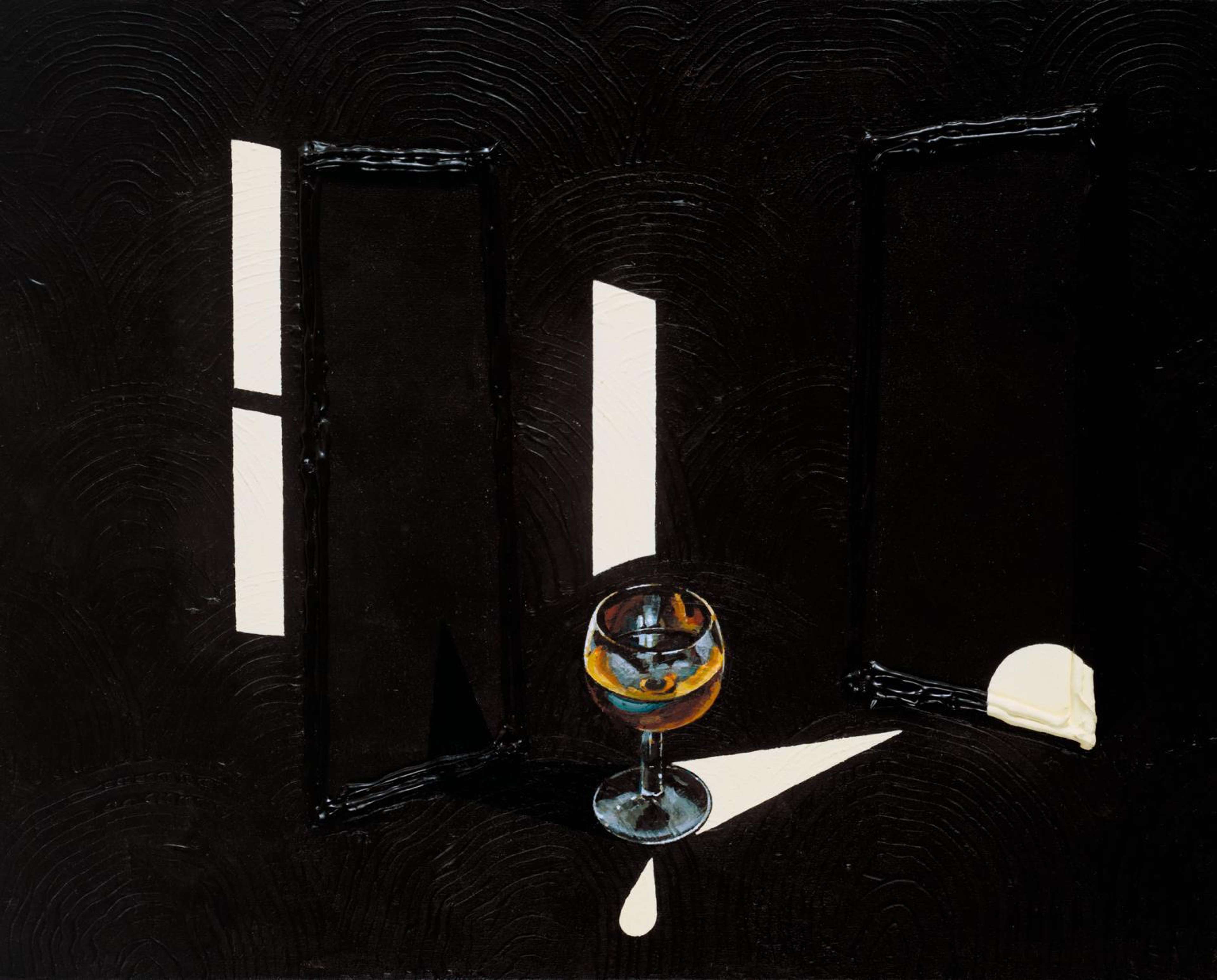
Patrick Caulfield was nominated for the esteemed Turner Prize in 1987.
Caulfield received this nomination for his solo show, The Artist's Eye held at The National Gallery London, which attracted 74,000+ visitors. This esteemed exhibition featured his most prized works providing visitor's with special insight into the artists intellectual practice.
Although the final outcome of the winner was unexpected, Caulfield lost to British abstract sculptor, Richard Deacon.
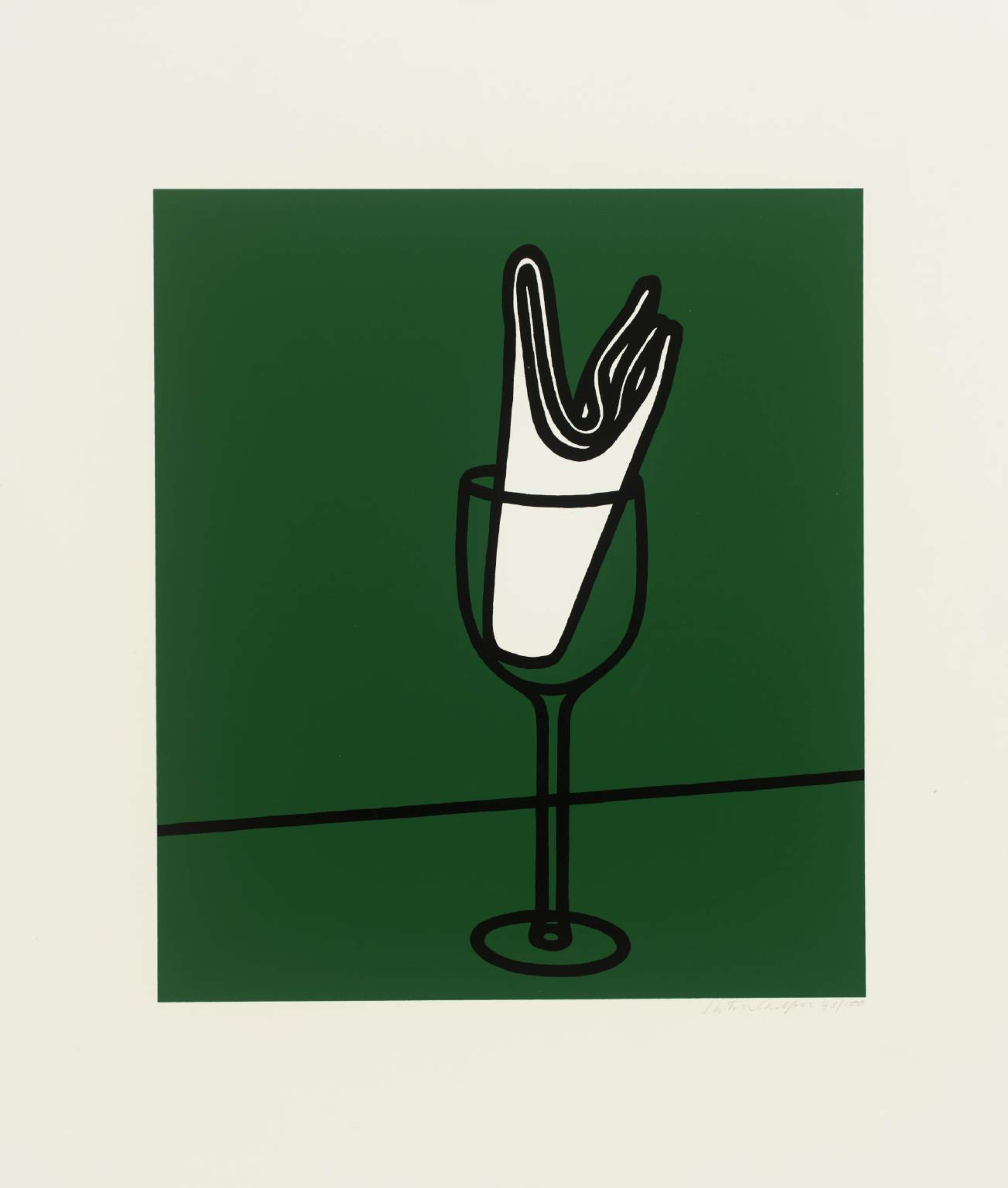
Patrick Caulfield paintings often depict unknown places and melancholic interiors, which suggest a pause in time or sense of solitude.
Caulfield's artistic genius resides in his skillful creation of enigmatic images that evoke a sense of ambiguity through their simple yet captivating representation. As a formal artist, he employs a deliberate approach, utilising lines, shapes, and colors to distill images to their fundamental essence. By intentionally omitting human presence and depicting vacant interiors, coupled with his technical mastery, Caulfield invites viewers to engage in contemplation and introspection, encouraging their own interpretations and responses to his art.
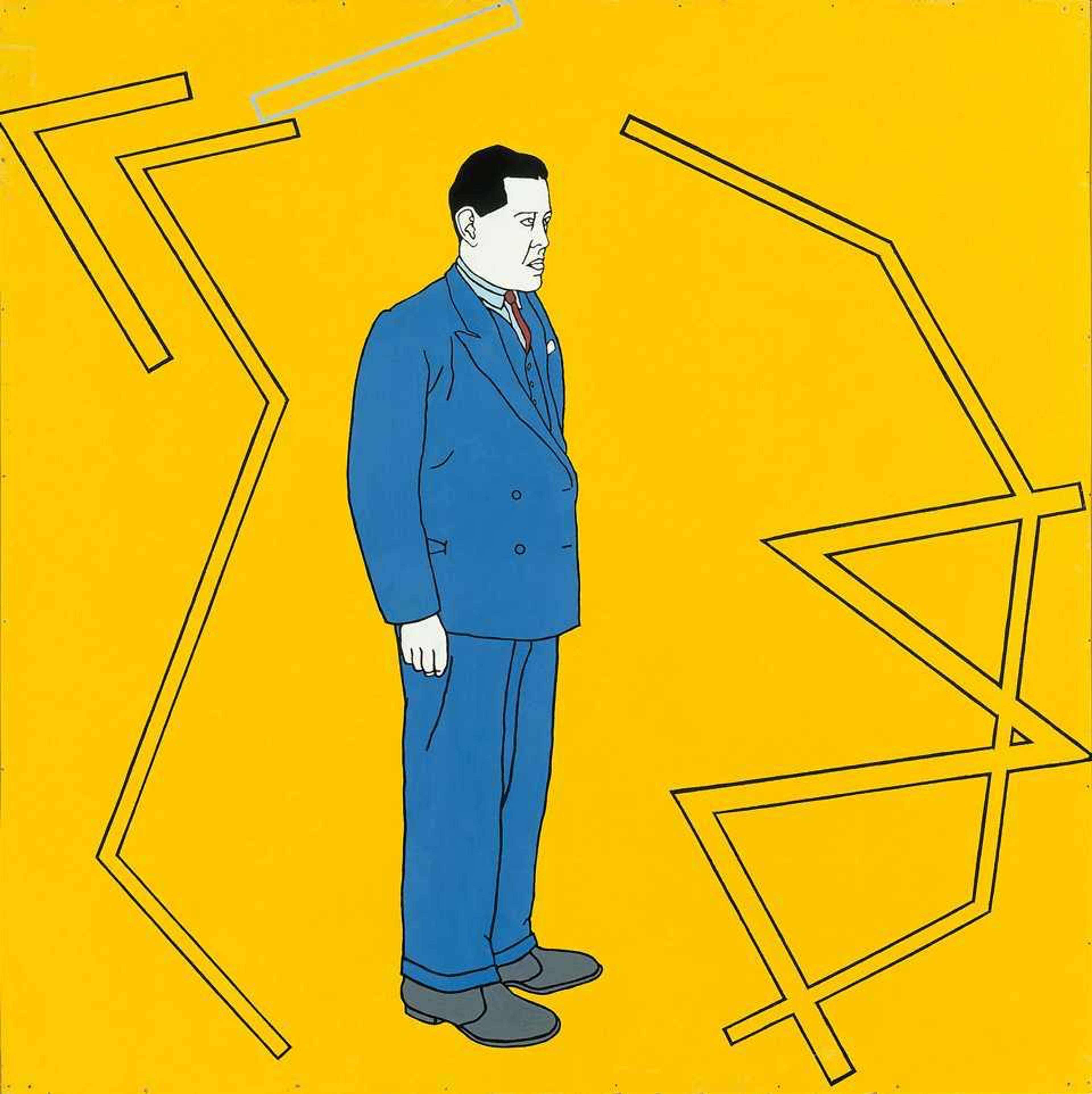
Throughout his career, Patrick Caulfield produced 113 screenprints that were highly appreciated and in demand.
Boasting an impressive exhibition history, Caulfield’s artwork was the subject of many major museum retrospectives and features throughout his lifetime. In 2006, his prints were the subject of a survey held at Tate Liverpool, and following that, Tate Britain acquired his entire printed output—113 prints made between 1964 and 1999—and presented them together in a major retrospective. Among these works, Foyer (1973) stands out as a landmark in Caulfield's career.
This piece, which once belonged to David Bowie, achieved a record-breaking sale of £665,000 at Sotheby’s in 2016, cementing its status as a pivotal work in Caulfield's oeuvre. Foyer exemplifies the artist’s mastery of minimalist composition, portraying a vacant interior defined by vibrant colour blocks and bold outlines. The work’s association with Bowie added an extra layer of cultural significance, contributing to its extraordinary success in the art market and further solidifying Caulfield's enduring legacy.
Patrick Caulfield received many accolades during his lifetime.
In addition to his noteworthy achievements, Caulfield received esteemed recognition through various other avenues. His outstanding contributions to the arts led to his appointment as a Commander of the British Empire (CBE) in 1996, acknowledging his significant impact on the cultural landscape. Furthermore, Caulfield's artistic excellence was acknowledged by his election as a Royal Academician in 1993, a distinguished title bestowed upon individuals who have demonstrated exceptional talent and dedication to the arts.
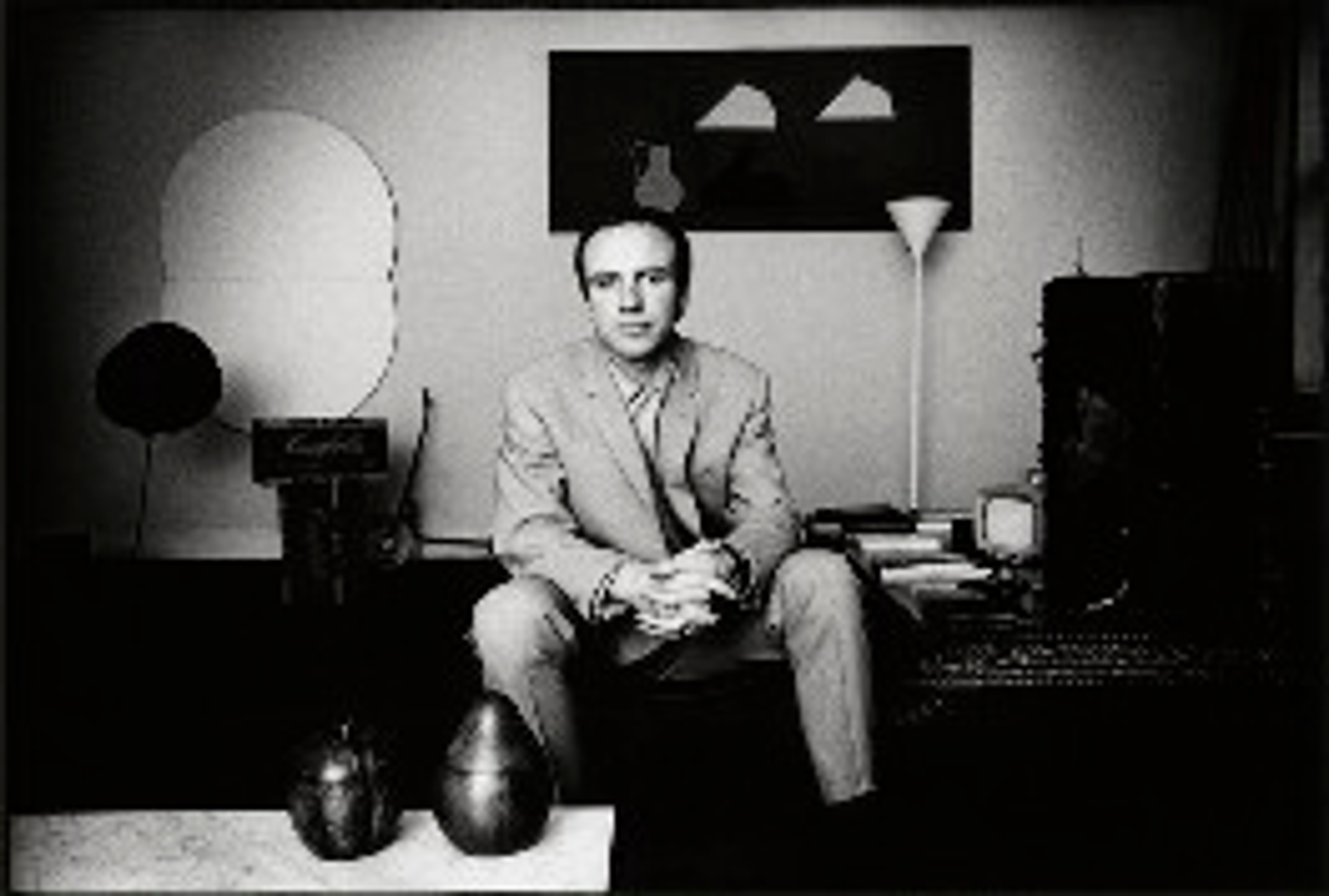
In 2013, the Tate Britain held a retrospective exhibition of his work.
This retrospective cemented his legacy as one of the foremost artists of the post-war generation, and one of the most influential artists of the 20th century.