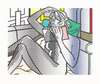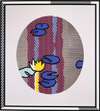

Roy Lichtenstein print values in 2026 vary widely depending on the series, medium, edition type and condition. Current demand remains strongest for major series such as Nudes, Reflections and Water Lilies, while rare proofs and works released from the Lichtenstein estate have also achieved exceptional results. Recent institutional recognition and high-profile auction sales have reinforced confidence across the market.
Is Now a Good Time to Sell a Roy Lichtenstein Print?
For many owners, 2026 presents a favourable time to sell a Lichtenstein print. Lichtenstein has long had one of the most active and established print markets, but recent estate releases, museum attention and landmark auction sales have brought renewed focus to the breadth of his editions.
Between November 2024 and September 2025, Sotheby's presented a series of sales from the Roy Lichtenstein family and estate, culminating in a dedicated single-owner auction in September 2025. Rather than concentrating demand on just a handful of iconic images, these sales demonstrated strong collector interest across multiple series and mediums. That momentum has continued into 2026. In April 2026 print sales, estate works including Bull VII and Nude in the Woods (Black State) each sold for more than double their high estimates, achieving £70,735 ($96,000) and £47,156 ($64,000), respectively.
Beyond the auction room, institutional recognition has continued to strengthen Lichtenstein's legacy. The Whitney retrospective opening in October 2026 will bring further visibility to the artist's work and, unlike the estate sales, has the potential to broaden demand without adding additional supply to the market.
The estate sales established important new pricing benchmarks without weakening the wider market. Non-estate prints continued to trade within a consistent pricing range throughout the release. Estate provenance can add prestige and attract competition, but sellers should not treat these results as direct comparables. Whether that provenance continues to command a premium once these works begin returning to the market remains untested, and privately owned examples may perform differently outside the concentrated publicity of the original estate sales.
How Much Is My Roy Lichtenstein Print Worth in 2026?
Lichtenstein has an extensive body of work and the value of individual prints can vary widely. Even closely related prints can achieve very different prices.
Medium is one of the biggest drivers of value. Lichtenstein's enamel-on-steel editions are some of the most technically ambitious in his output. They were produced in much smaller numbers than his screenprints and consistently rank among his most valuable works. Beyond the medium itself, collector demand also varies by collection, with works from Nudes, Reflections and Water Lilies attracting some of the strongest prices in recent years.
Edition characteristics can create further differences in value. Artist's proofs, printer's proofs and early states can command premiums when their rarity is well documented, although proof status alone does not guarantee a higher price. Condition, provenance, catalogue raisonné references and recent comparable sales should all be considered when establishing an accurate valuation.
Which Roy Lichtenstein Prints Are Worth The Most?
Imagery plays a major role in the value of a Lichtenstein print. Depictions of women are among the most sought-after areas of his market, although prices can vary considerably according to the medium, edition structure, signature, condition and rarity of the individual work.
Lichtenstein's Depictions Of Women
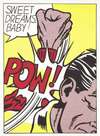
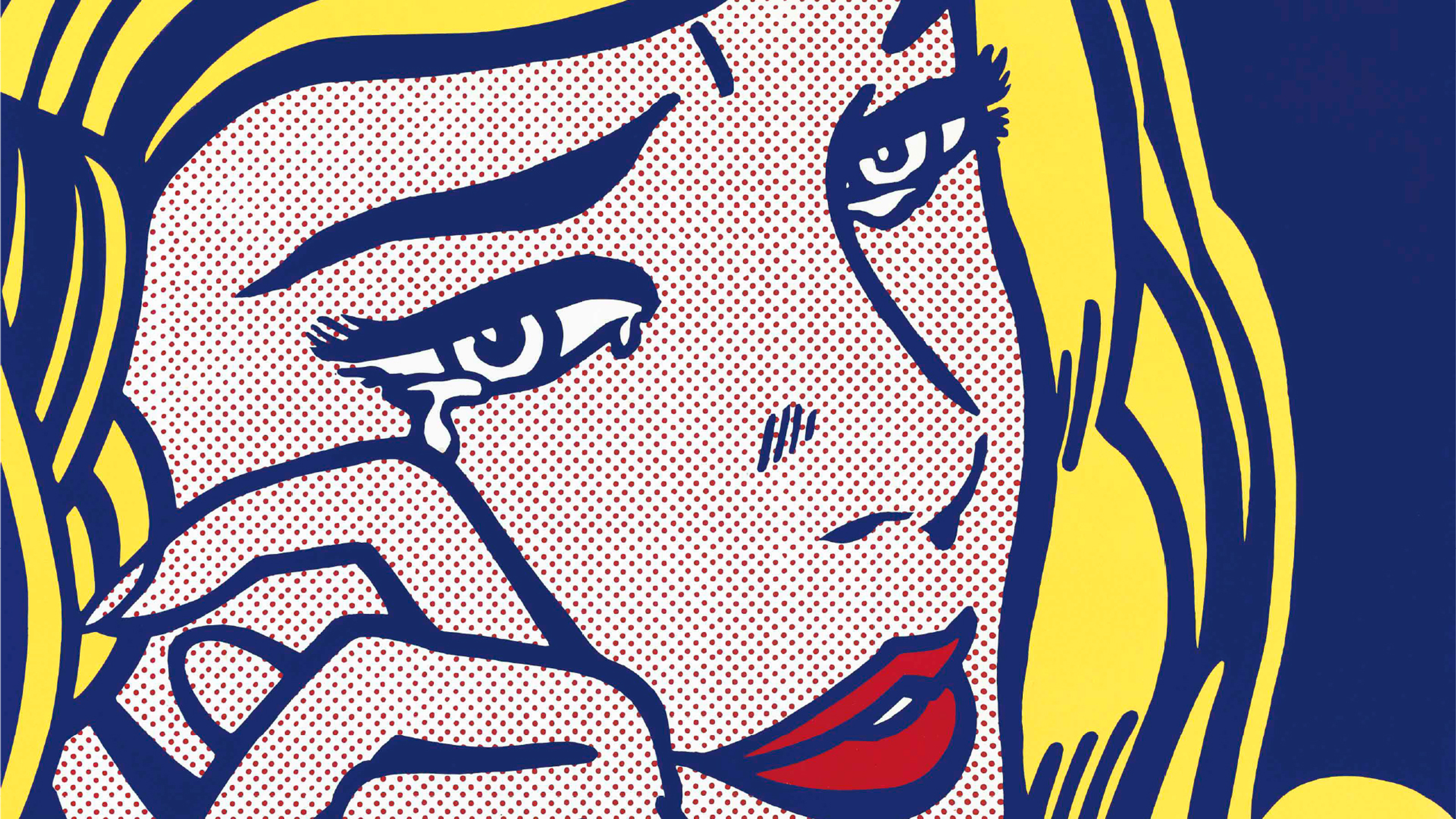
Lichtenstein’s 1960s comic-book depictions of women remain some of his most recognisable prints. Works such as Crying Girl and The Melody Haunts My Reverie are typically valued below his later Nudes and enamel-on-steel editions, but this is partly explained by their edition structures and condition. Crying Girl, for example, is signed but unnumbered, while surviving impressions can vary significantly in quality after decades of handling, framing and light exposure.
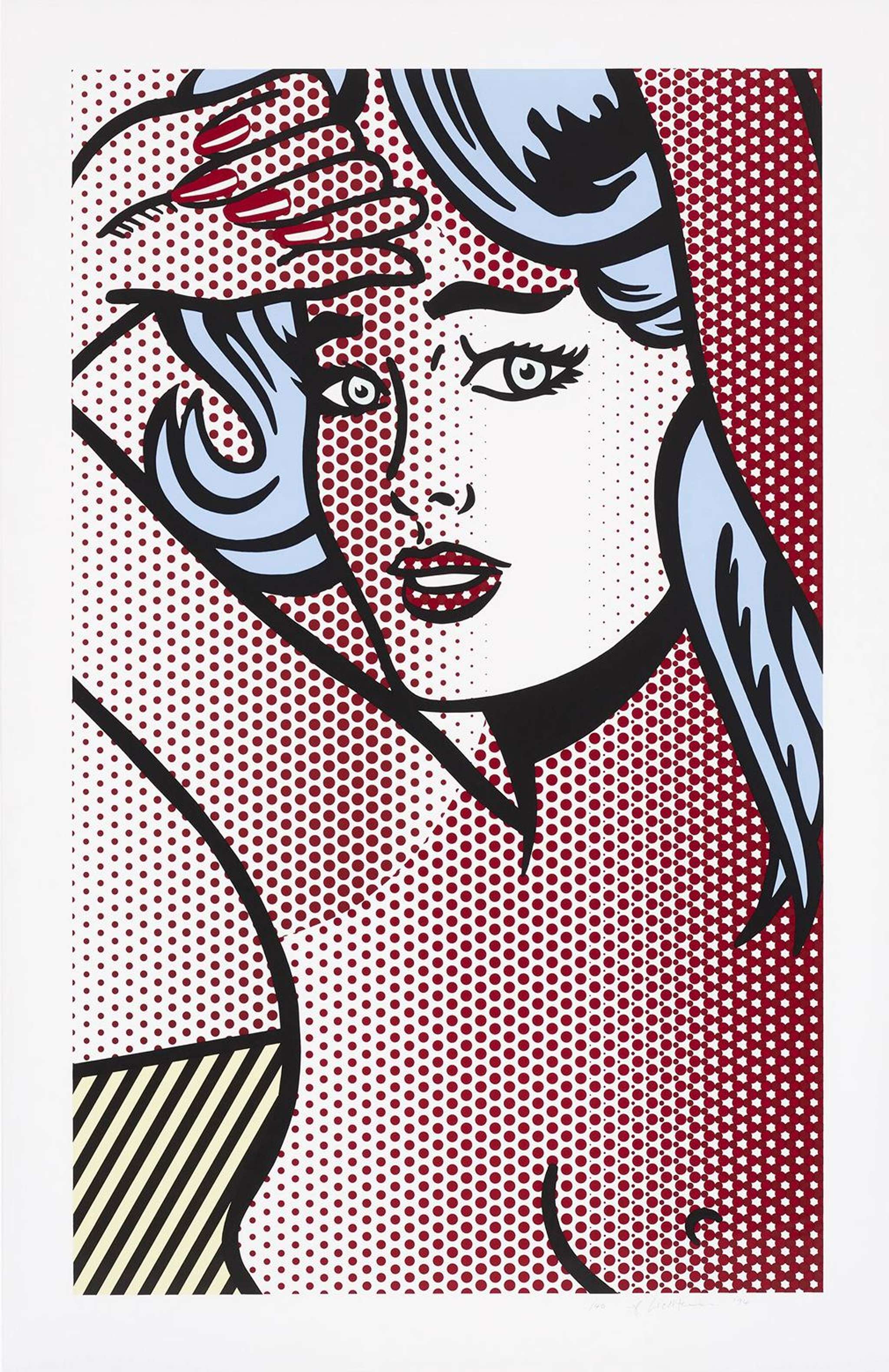
Lichtenstein returned to depictions of women in the 1990s with his Nudes, which have become some of the most sought-after screenprints in his market. Demand and prices have risen substantially, particularly for early states and rare proofs. However, their popularity also means that examples appear on the market relatively frequently. Timing and route to market should therefore be considered carefully to avoid bringing a work to sale when several comparable impressions are already available.
Lichtenstein's Steel And Porcelain Editions
Lichtenstein's porcelain enamel-on-steel editions are among the most valuable works in his print market. Produced in very small numbers and combining industrial fabrication with printmaking techniques, they occupy a distinct position within his editioned output. In May 2026, Girl in Mirror returned to auction and sold for $6.2 million at Sotheby's New York. It was the first porcelain enamel-on-steel depiction of a woman to appear at auction since 2023, underlining the scarcity and value of these works when they come to market.
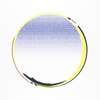
Alongside these, Lichtenstein's screenprints on stainless steel also represent some of the most sought-after editions in his market. The Water Lilies series, inspired by Claude Monet's iconic paintings, showcases the artist's technical ambition while introducing a clear hierarchy between individual images. Water Lily Pond With Reflections has historically been the most valuable work in the collection, while Water Lilies With Cloud set a new auction record of £768,077 ($1,024,000) in May 2026, becoming another Lichtenstein edition to surpass the million-dollar mark. Recent results suggest that collector demand is increasingly extending beyond a single standout image within the series.
Other Areas Of Lichtenstein's Print Market To Watch
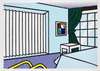
While Lichtenstein's most established collections continue to lead the market, the Estate release demonstrated that collector demand extends well beyond Water Lilies and the Nudes. Reflections remains one of the most consistently traded areas of Lichtenstein's print market, combining sustained liquidity with relatively stable pricing, while collections such as Interior, Bulls, and Landscapes, Moonscapes and Seascapes also attracted strong competition during the Estate sales.
More broadly, the release of works from the Roy Lichtenstein estate reinforced confidence in the breadth of the artist's printmaking career. By bringing more than 100 editions from 19 collections to market, the Estate demonstrated demand across a much wider cross-section of Lichtenstein's work. While Water Lilies, Nudes and Reflections remained the primary drivers of value, the strength of bidding elsewhere suggests collectors are increasingly looking beyond the artist's most familiar images.
How to Authenticate a Roy Lichtenstein Print Before Selling
Before establishing the value of a Lichtenstein print or bringing it to market, it is important to confirm its authenticity. Buyers expect works to be supported by recognised catalogue references, publisher records and consistent edition details, making thorough documentation an important part of the selling process.
The first step is to identify the print in the Corlett catalogue raisonné, the standard reference for Lichtenstein’s editioned works. The catalogue entry should correspond with the image, edition size, dimensions and publication details. Sellers should also check whether the print is signed, numbered or designated as an artist’s proof or printer’s proof, and ensure these markings are consistent with the published edition. While many Lichtenstein prints are signed and numbered in pencil, some legitimate works were issued unsigned, particularly in larger or later editions, so the absence of a signature does not necessarily indicate a lack of authenticity if other details align.
Supporting provenance can also strengthen buyer confidence. Gallery invoices, certificates, previous auction records and exhibition history all help establish a clear ownership record, although many genuine Lichtenstein prints have changed hands multiple times and may no longer be accompanied by their original paperwork.
If there is any uncertainty about a print’s authenticity or edition details, it is advisable to seek an expert opinion before offering it for sale. Resolving these questions before the work reaches the market can help avoid delays and give buyers greater confidence when making an offer.
Roy Lichtenstein Print Condition and Conservation
Condition plays a significant role in determining the value of a Roy Lichtenstein print. Collectors pay close attention to factors such as colour freshness, paper quality, margins and overall presentation, particularly for early works and rare editions.
Most Lichtenstein prints were produced on high-quality papers, including Arches wove, Rives BFK and Japanese papers. While these materials are durable, prolonged exposure to sunlight, fluctuating humidity and poor framing can lead to fading, discolouration, foxing or paper distortion, all of which can reduce a print’s desirability and value.
Collectors generally prefer original condition to unnecessary restoration. Trimming the margins, bleaching the paper, aggressive cleaning or undocumented conservation work can all diminish value. By contrast, minor age-related toning or light handling marks are often considered more acceptable when they are stable and fully disclosed.
If you are considering conservation before selling, seek advice from a qualified paper conservator. In many cases, accurate condition reporting and professional presentation will inspire greater buyer confidence than cosmetic treatment that alters the original work.
Where Can I Sell My Roy Lichtenstein Print In 2026?
Choosing where to sell a Roy Lichtenstein print directly affects net proceeds, pricing control, and market perception. The two primary routes – auction and private sale – operate differently in terms of risk, fees, and positioning.
Selling a Roy Lichtenstein Print at Auction – Fees and Public Exposure
Auction can be effective for rare enamel works, early states, or highly recognisable images capable of generating competitive bidding. Strong results can reset benchmarks and reinforce Lichtenstein print prices in visible ways.
However, auction also introduces fixed sale dates, public estimate ranges, buyer’s premiums, and seller’s commission. An unsold lot or underperformance becomes part of the permanent auction record, which can affect future pricing. For works trading within more liquid tiers, competing supply in the same season can also limit upward momentum.
Sellers considering auction should evaluate whether their work can withstand public price discovery.
Selling a Roy Lichtenstein Print via Private Sale
Private sale offers discretion, flexible timing and targeted buyer matching. Pricing can be informed by recent auction results without the risk of public underperformance or an unsold lot becoming part of the auction record.
This route can be particularly effective for high-value and mid-tier works, or when several comparable impressions are already available at auction. By introducing a work directly to qualified buyers, private sales allow greater flexibility around timing and pricing while responding to current market conditions.
For sellers asking, "What is the best way to sell my Roy Lichtenstein print?", the answer depends on the individual work, including its image, impression type, condition, provenance and the level of competing supply in the market.
Why Sell Your Roy Lichtenstein Print with MyArtBroker
Selling a Lichtenstein print requires specialist valuation grounded in recent auction results, catalogue reference, and real-time buyer demand. Our approach combines data-led analysis with private sale execution tailored to each work’s structural position within the market.
Roy Lichtenstein Print Valuation and Market Positioning
Every work is assessed individually against recent Lichtenstein auction results, edition structure, state, and comparable transactions. This ensures that pricing reflects current demand rather than headline estate benchmarks. Sellers can begin with our Instant Valuation tool, which provides a real-time pricing range based on verified auction data and private sale comparables before a specialist review refines placement strategy.
0% Seller’s Commission and Transparent Fee Structure
We charge 0% seller’s fees when selling a Lichtenstein print. Unlike auction houses, there are no seller commissions deducted from the final price and no public estimates attached to the work. This protects pricing discretion and maximises seller proceeds.
Global Buyer Network and Strategic Private Placement
Through our international collector network and Trading Floor, Lichtenstein prints are introduced directly to qualified buyers actively seeking specific editions. This reduces exposure risk and aligns supply with verified demand.
Where auction or alternative placement would produce a stronger outcome, we provide impartial guidance based on current market conditions. Get in touch with our sales team to discuss your options for selling your Lichtenstein print.

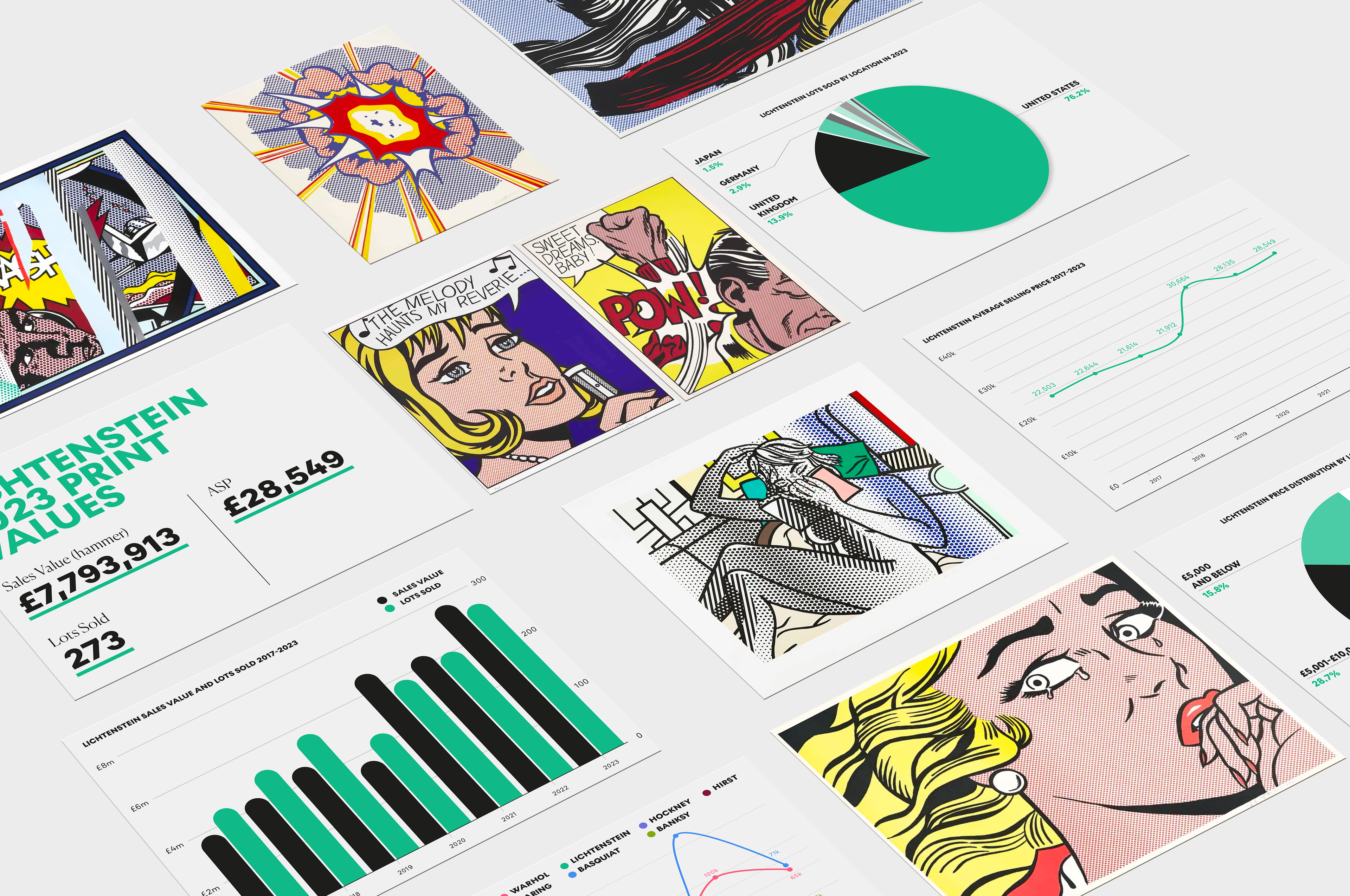
The Roy Lichtenstein Print Market Report 2026
How and Why the Market Has Changed: A 10-Year Analysis (2017–H1 2026)
This report analyses Roy Lichtenstein's print market over the past decade, examining auction performance, pricing trends, collector demand, the strongest-performing series, the growing premium for Artist's Proofs and the key developments shaping the market in H1 2026.