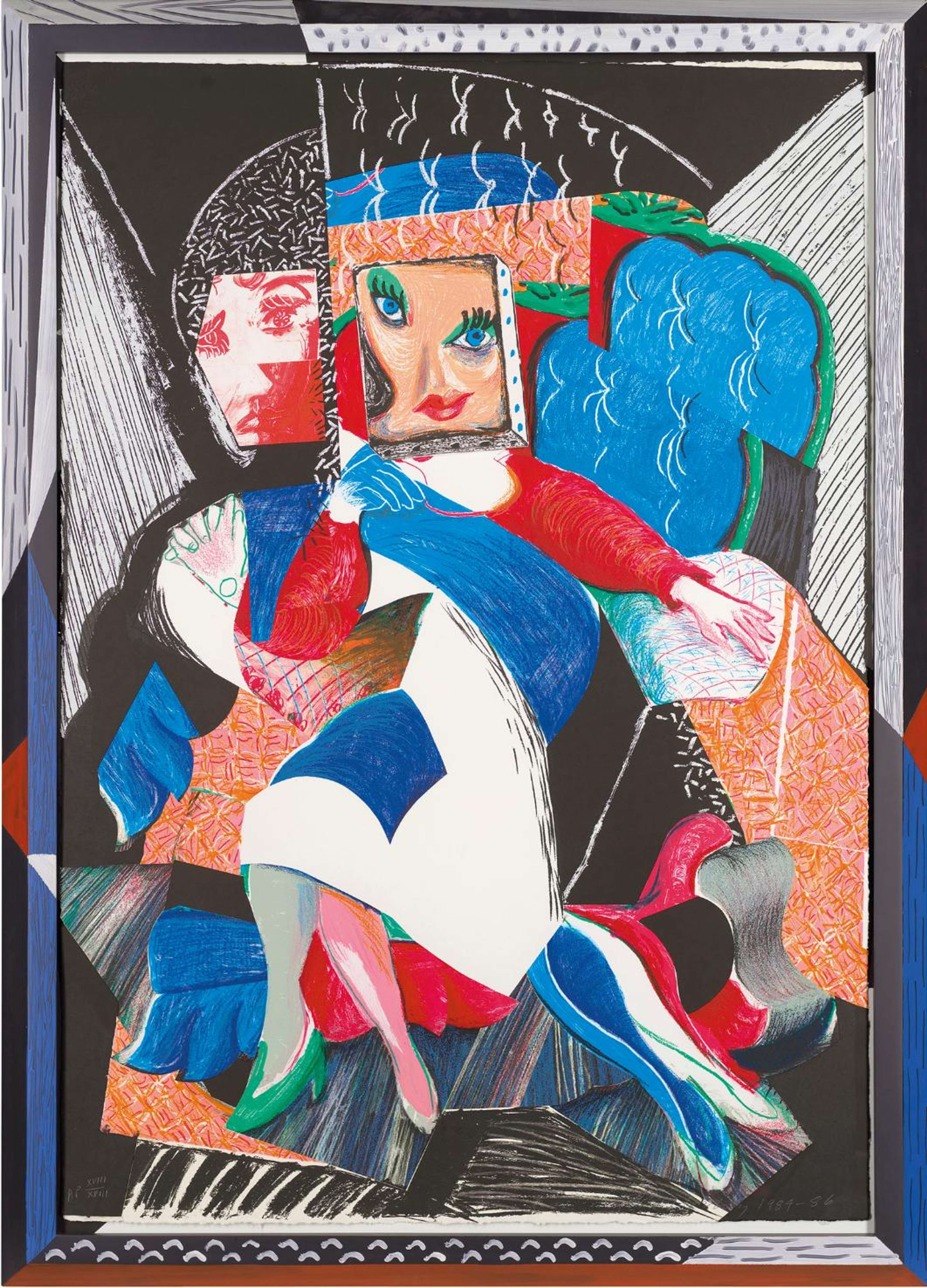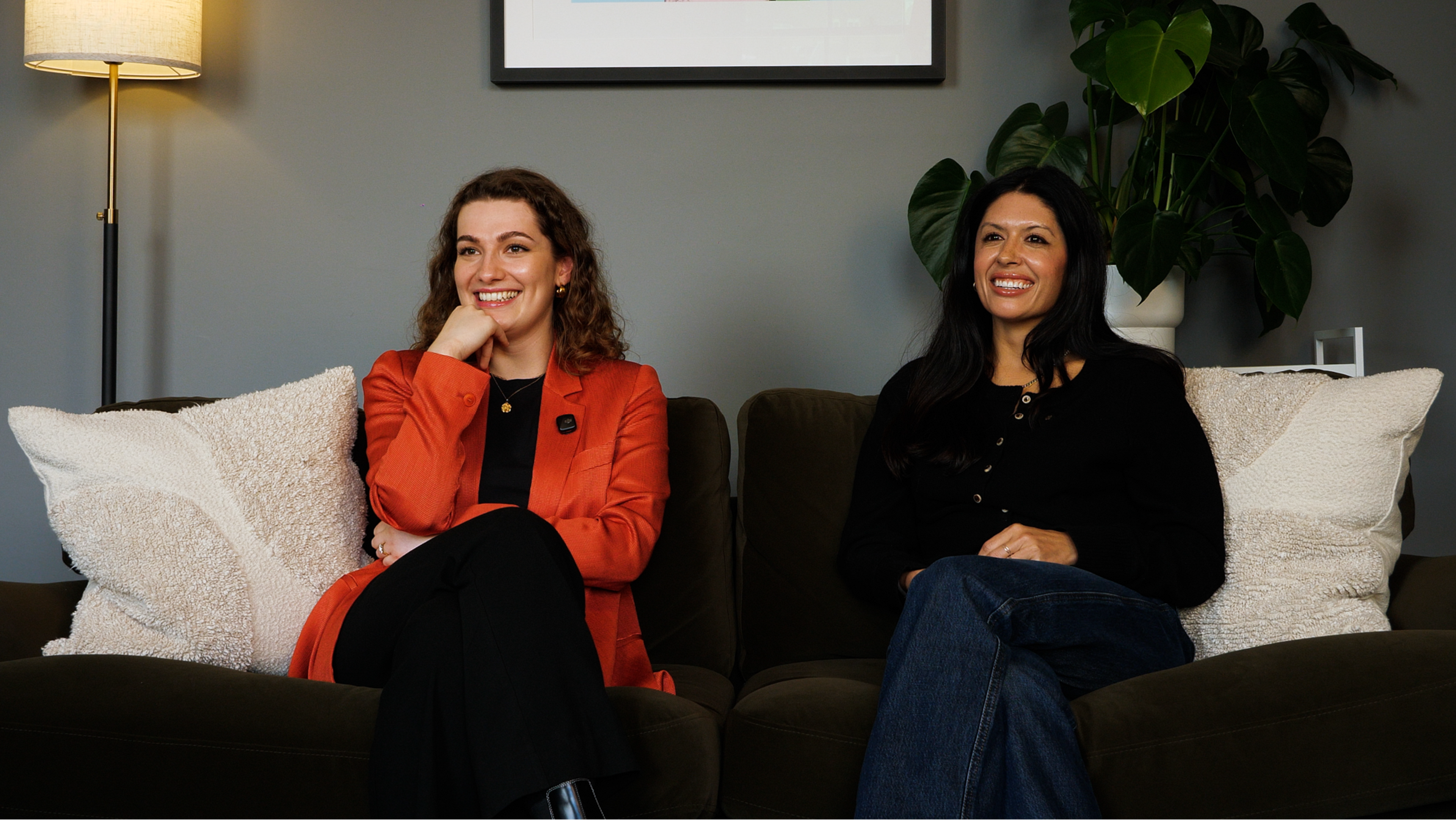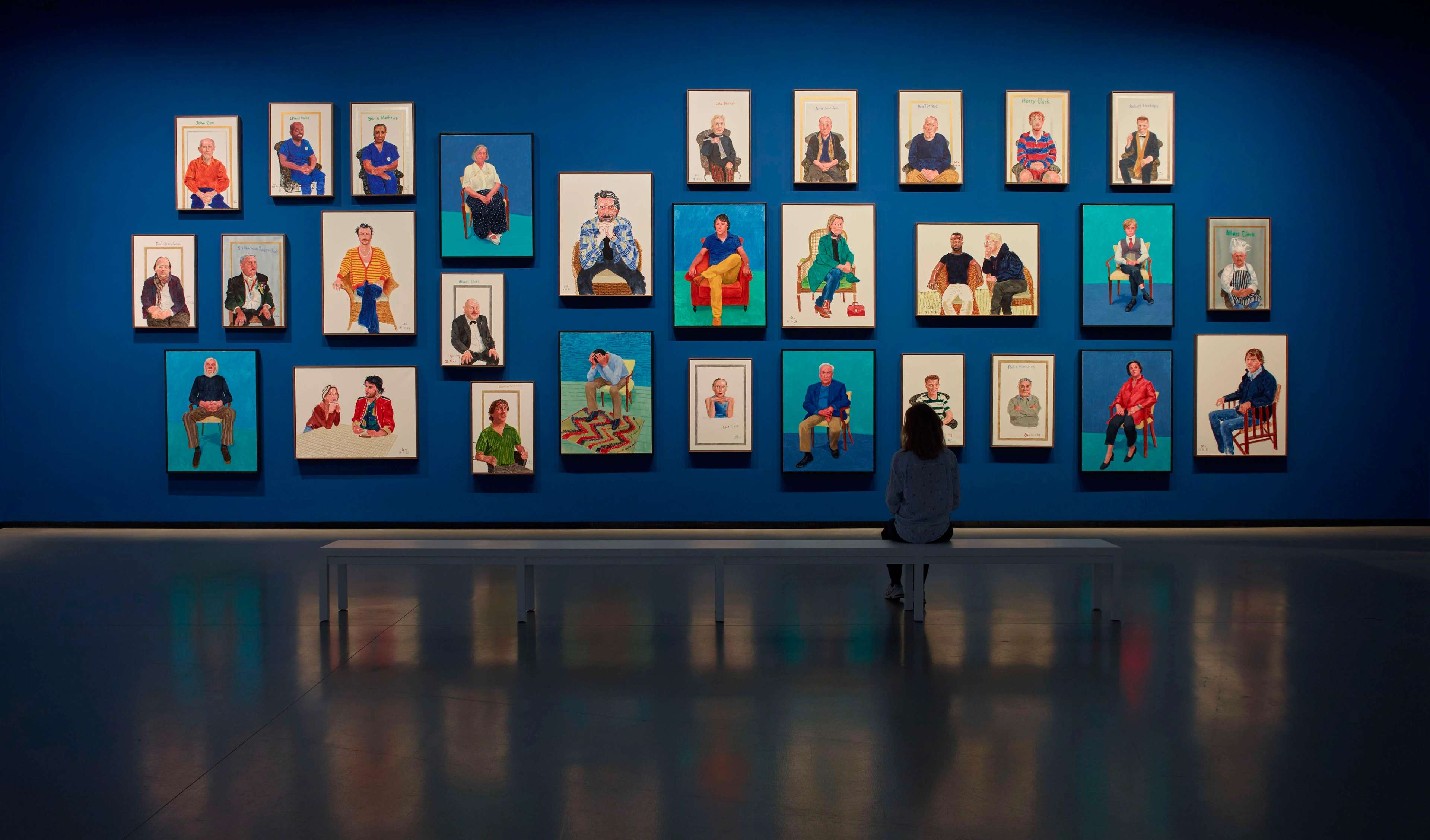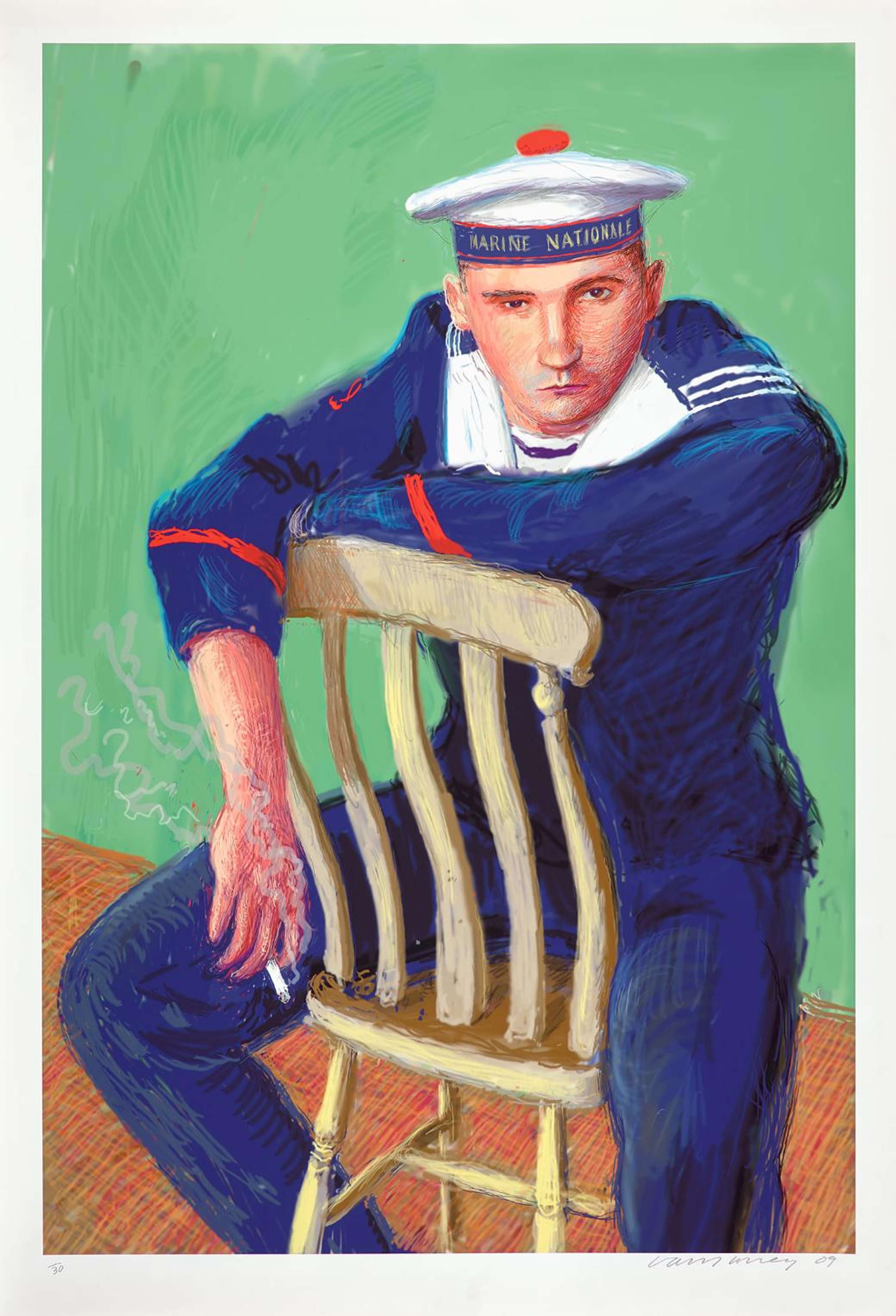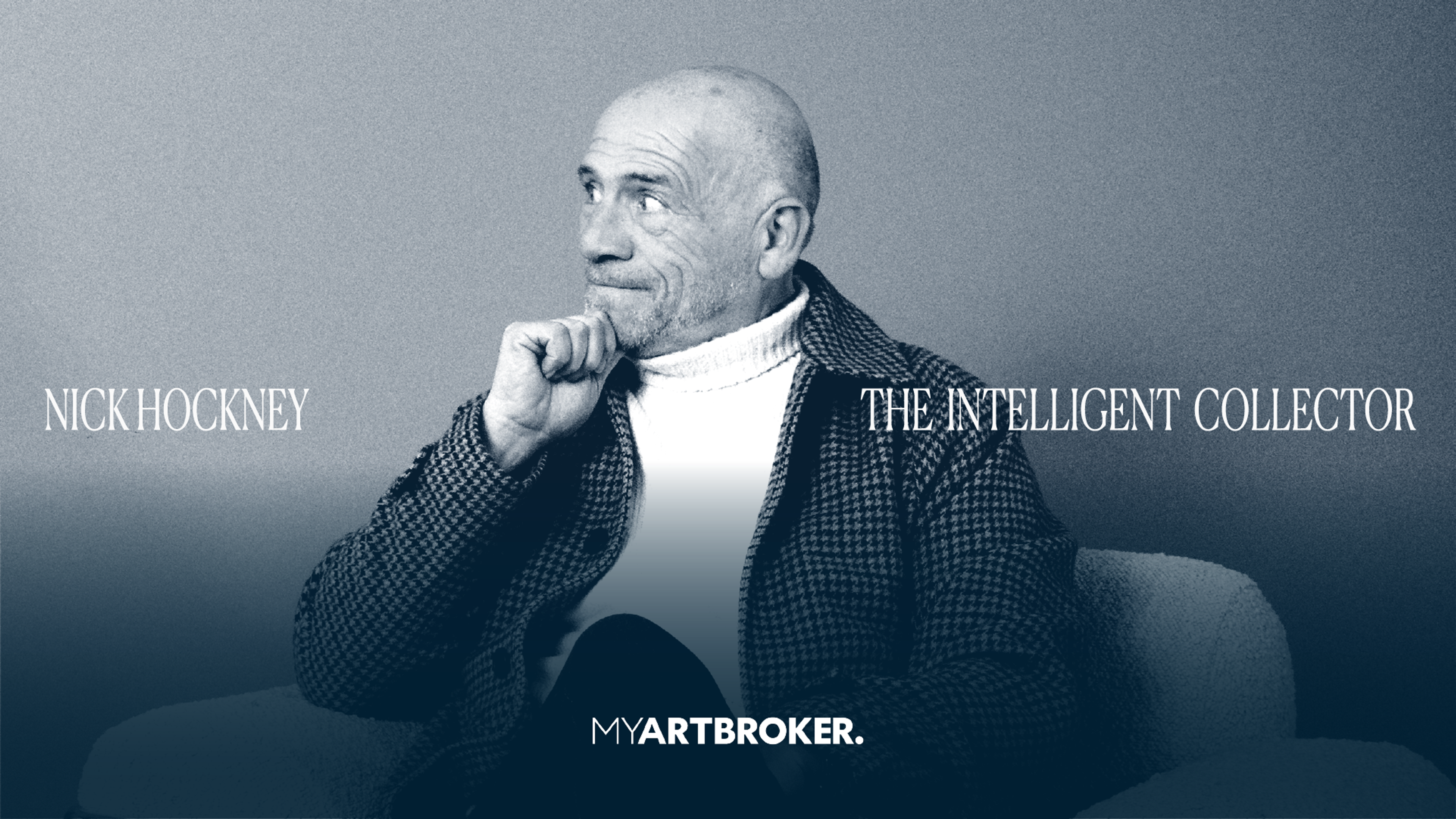
He was six or seven when he first saw Hockney's prints. He loved them. Not because he had been told to, but because it did something. That instinct, that a work either holds you or it doesn’t, is the thread that runs through everything Nick does now.
After three decades in financial services, working with private clients, family offices, and cross-border distribution, he has opened Palette, a gallery in Ilkley in the North of England built on one conviction: that the way most people are sold art is wrong, and that education is the only thing that fixes it.
Palette Gallery's “ICA” Framework
Palette's framework is blunt, which is the point. Every work is graded via an index he calls the ICA: investable, collectable, or aesthetic. A fourth category - speculative - sits above the rest for work that has no market history whatsoever.
For Nick investable means traceable. At least 10 years of data. A visible pattern of auction results that shows how the work behaves in different market conditions: interest rate movements, COVID disruption, price spikes. If you cannot trace it back, Nick will not call it an investment.
This matters more than it sounds. The art market has spent years inflating the language of investment without the discipline that should come with it. A household name starts making work. A commercial gallery says it is hot. An online platform leaves an asking price sitting there for two years and that number begins to masquerade as value. None of it is intelligence. The prints market, more than almost anywhere else, has the data to do better. Most collectors simply do not know it exists.
Hype Is the Enemy
It always comes back to hype. Nick names it as the single biggest mistake a new collector makes and it’s refreshing to hear it put so bluntly. Buying what someone else wants you to buy, rather than what you actually want to live with.
The prints market has not been immune. Over the last several years, the confluence of auction house marketing, luxury lifestyle positioning, and the kind of breathless 'art as investment' coverage that flattened nuance into headlines brought new buyers in on the wrong basis. They chased the top of the market. They paid prices that assumed the market only moved in one direction. Some of them are still waiting.
The corrective is straightforward, even if it is not glamorous. Research the artist, not the press release. Understand the edition size and the full range of what is available. Find out what the same work sold for three years ago and five years ago. Spend time looking before spending money buying. If you have £20,000, do not put it all into one work. Diversify. Mix stronger, established prints with more speculative positions. Let the collection develop a point of view rather than a single price point. The advice, you would expect from someone such as Nick, uniquely positioned at the interplay between financial advisory and cultural immersion.
What Art Does That a Watch Cannot
There is a moment in the conversation when Nick shifts from market mechanics to something more foundational.
I asked him whether the luxury market, watches, wine, classic cars, has been good or bad for prints. His answer is nuanced: it has brought younger collectors in, and that is valuable. But art does something the others cannot.
A watch sits in a safe. Wine disappears once opened. Art lives with you. It changes a room. It changes your mood. It holds memory and social history and the accumulated weight of an artist's thinking, and all of that becomes part of what you own.
'You want it on your wall and it to make you smile or think or just instil something,' he says. 'That puts art in a completely different context to anything else.'
Nick’s gallery programme reflects that. Themes over artists: sport, pop art, women in art, as a way of bringing people in through what already interests them, then letting the work do the rest. It is a model that starts where the traditional gallery market still fails: with the person, not the product.
Nick Hockney grew up watching people look at art. He watched them gasp. He watched them stop. He has spent 30 years understanding financial markets, and he is now building something that takes both seriously at once.
In a print market that is finally data-rich enough to reward real rigour, that combination is rarer than it should be.